
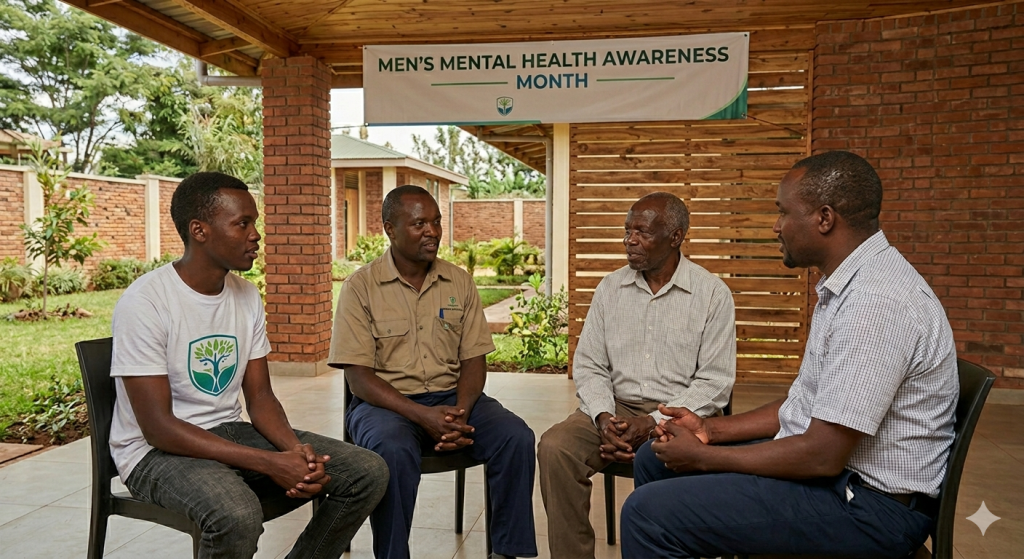
Father’s Day is a time to celebrate the fathers, grandfathers, and father figures in our lives—the pillars of strength, support, and guidance. But behind the roles of protector and provider, many men are carrying heavy, silent burdens.
This year, let’s honor the men in our lives not just with cards and gifts, but by challenging the stigma that forces so many to suffer in silence. At [Hospital Name], we believe that true strength is found in vulnerability and the courage to seek help.
The Silent Struggle
Society has historically taught men to “man up,” to suppress their emotions, and to manage stress independently. These outdated expectations can create a dangerous barrier to well-being. The reality is that men experience depression, anxiety, and burnout just as frequently as anyone else, but they are significantly less likely to seek professional support.
- The “Invisible” Symptoms: In men, mental health struggles often don’t look like classic sadness. They can manifest as irritability, unexplained anger, physical exhaustion, withdrawal from social activities, or increased reliance on substances.
- The Cost of Silence: When mental health concerns are ignored, they don’t simply go away. They often escalate, affecting physical health, work performance, and personal relationships.
Why Fatherhood Matters
The transition into parenthood is a major life event, yet it is a period where many new fathers experience perinatal anxiety or depression. Research suggests that when a partner is struggling, the father’s mental health is also deeply affected. Yet, this group remains one of the most underserved by mental health professionals.
How to Take the First Step
Prioritizing mental health doesn’t mean something is “wrong.” It means you are taking care of the engine that powers your life. If you or someone you love is struggling, consider these proactive steps:
- Treat Mental Health Like Physical Health: If you had a broken bone or persistent chest pain, you wouldn’t hesitate to see a doctor. Treat your mental well-being with the same level of urgency. Schedule a general wellness check-up to talk about your stress levels and overall health.
- Break the Cycle of Isolation: You don’t have to carry your burdens alone. Reach out to a trusted friend, partner, or family member. Simply saying, “I’ve been carrying a lot lately,” can be a life-changing first step.
- Recognize the Warning Signs: Keep an eye on changes in sleep patterns, appetite, energy levels, or interest in hobbies. If these persist, consult a professional.
- Redefine Strength: Real strength is not about enduring pain; it is about having the self-awareness to recognize when you need support and the courage to ask for it.
How You Can Support the Men in Your Life
You don’t have to be a mental health expert to make a difference.
- Check in meaningfully: Ask how they are doing, and listen without immediately trying to “fix” the problem.
- Normalize the conversation: By speaking openly about mental health in your home and workplace, you create an environment where men feel safe to be human.
- Encourage professional support: Gently remind them that seeing a therapist or counselor is a tool for growth and resilience.
You Are Not Alone
At Wama Hospital, we are committed to providing a safe, non-judgmental space for men to access the care they need. Whether you are navigating the stresses of work, the complexities of parenthood, or simply feeling overwhelmed by life, our team is here to support you.
If you or someone you know is in crisis, please reach out to 0727302419/ 0754302419 immediately.